
Deck Cleaning
Can Cleaning Your Deck Make It Less Slippery and Safer to Walk On?
A simple, reassuring guide to why decks get slick and how proper washing brings back solid traction underfoot.
September 9, 2026
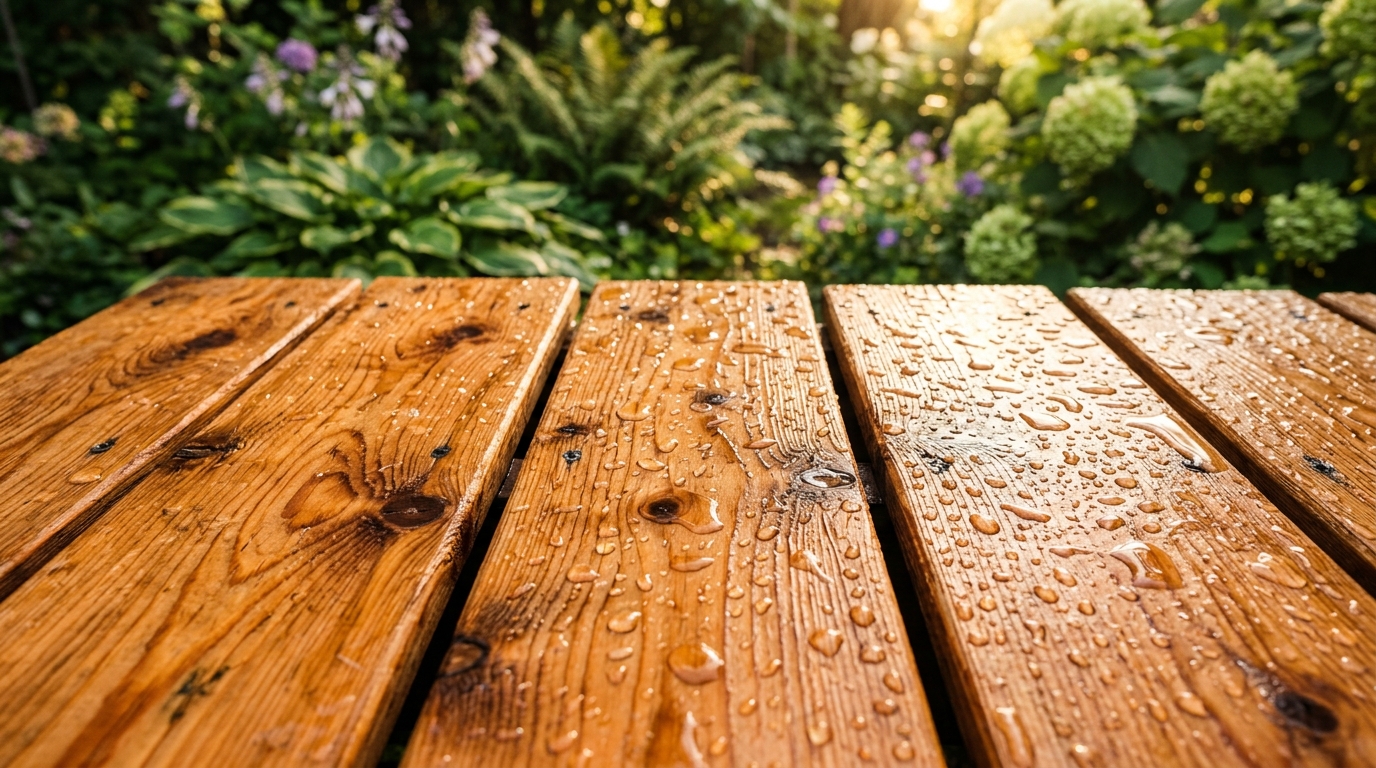
Have you ever stepped out onto your backyard deck after a rainy morning and felt your feet start to slide like you were stepping onto an ice rink? It can be a scary feeling when a surface that is supposed to be solid suddenly feels slick and unstable. You might wonder if the wood has simply worn out or if there is something you can do to make it safe again.
The quick and comforting answer is yes: thoroughly cleaning your deck can dramatically reduce slipperiness and make it much safer to walk on. Understanding why your deck becomes slippery in the first place makes it easy to see how a good, careful wash restores the natural grip you need for safe footing.
Why Does a Deck Get So Slippery in the First Place?
When clean wood or composite boards are dry, their natural grain and texture provide plenty of grip. Your shoes can easily hold onto the tiny bumps and grooves on the surface. But when moisture sticks around, tiny natural hitchhikers start to move in.
Here is what is really happening beneath your feet when a deck turns slick:
- Algae and Mildew: These are tiny plant-like organisms and fungi that love dark, damp environments. When shaded areas of your deck stay damp, green or black algae spreads across the boards. Algae produces a thin, gel-like coating that feels almost like soap when wet.
- Fallen Leaves and Pollen: Organic debris from nearby trees lands on the deck. As leaves break down and mix with rainwater, they decompose into a slimy, slippery paste that fills in the natural texture of the boards.
- Trapped Moisture and Dirt: Ordinary dirt acts like a sponge, holding water against the wood long after the rain stops. This constant wetness keeps the algae growing and prevents the deck from drying into a safe, high-friction surface.
How Washing Restores Grip and Stability
Cleaning a deck is not just about making it look bright and tidy; it is a direct way to remove the physical layer causing you to slide. Think of it like washing grease off a kitchen plate—once the slippery film is gone, the true surface underneath is restored.
1. Lifting the Invisible Biofilm
Even before algae turns bright green, a microscopic layer called biofilm covers damp boards. Proper cleaning solutions break the bond between this slick film and the decking material, allowing it to be rinsed away completely rather than simply smeared around.
2. Clearing Out Grooves and Natural Grain
Both natural wood and modern composite boards are manufactured with texture to help shoes grip the floor. When dirt, moss, and decaying organic matter settle into those grooves, the surface becomes flat and slick. Washing clears out those channels so your footwear can make direct contact with the textured material once again.
3. Promoting Faster Drying Times
A deck coated in dirt and moss holds water for days because the organic matter prevents airflow. Once the surface is clean, rainwater sheets off naturally and the sun can evaporate lingering moisture much faster, leaving fewer hours during the week when boards remain damp and slippery.
Practical Steps to Keep Your Deck Safe Year-Round
You do not have to wait until your deck feels dangerous to take action. A few simple maintenance habits can keep everyone in your home stepping with confidence:
- Sweep away leaves promptly: Keep a broom near the back door and sweep away piles of wet leaves, pine needles, and twigs before they decay into a slick paste.
- Trim back hanging branches: Allowing more sunlight and breeze onto your deck helps damp boards dry quickly after storms, slowing down moss and algae growth naturally.
- Check nearby water runoff: Look above your deck to see if gutters or downspouts are overflowing onto the boards. Diverting excess roof runoff prevents continuous damp spots.
- Clean regularly: Scheduling routine seasonal cleanings removes mold spores and organic build-up before they have a chance to form a slick film.
Solid Ground Under Your Feet
Slipping on a wet deck can be startling, but it does not mean your outdoor space is permanently unsafe. In almost every case, that slick feeling is simply a thin layer of natural growth that needs to be cleared away. With a thorough cleaning to lift away the grime and reveal the textured boards underneath, your deck can go back to being a sturdy, comfortable place to relax outdoors.