
Pressure Washing
Can Pressure Washing Fix Peeling Paint on Your House? What It Really Does
Discover why pressure washing cannot repaint your home, but why it serves as the most important first step before applying fresh paint.
September 18, 2026
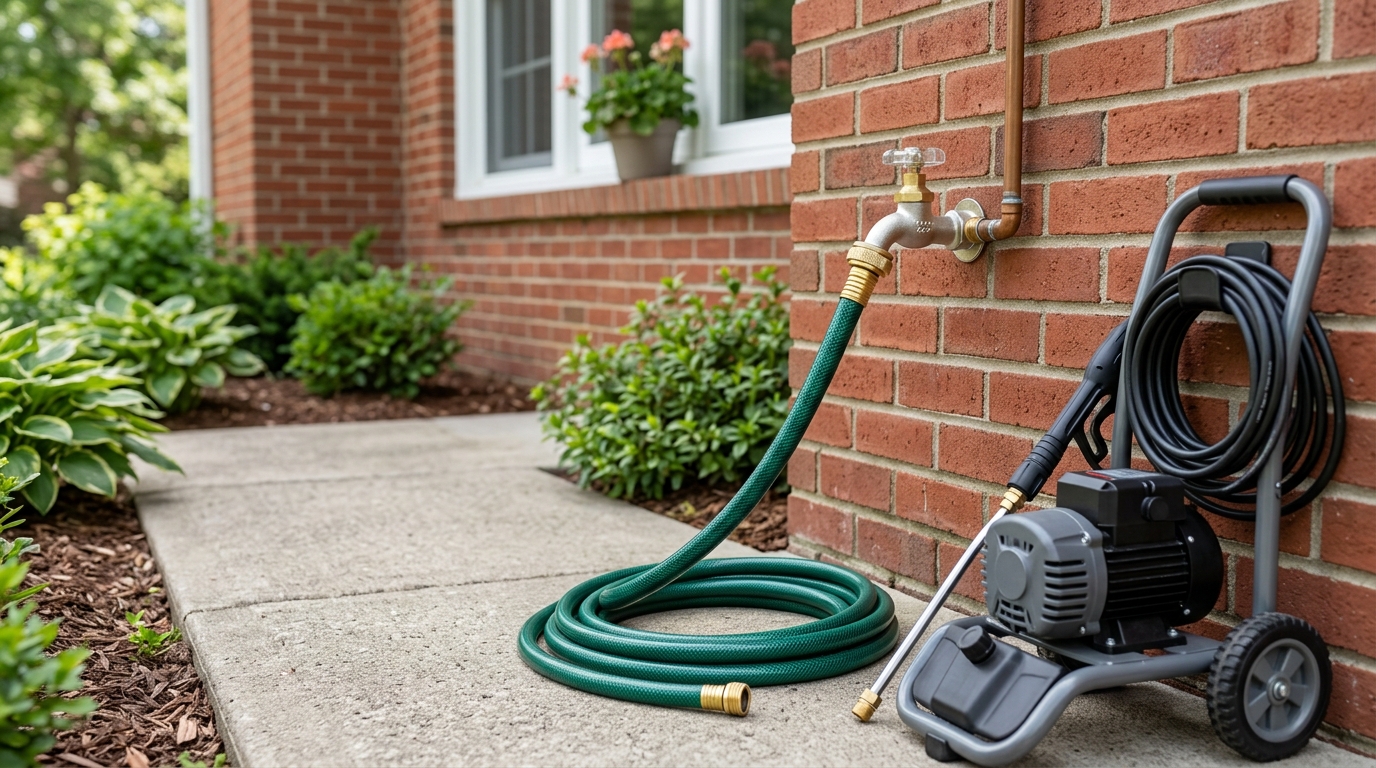
If you walk around your house and notice paint curling up, cracking, or flaking off like dry leaves, you might wonder if a good blast from a pressure washer can fix the problem. The short and honest answer is no—water cannot put paint back on your walls. However, pressure washing plays a huge role in solving the problem by doing something just as important: preparing the surface so your next paint job looks smooth and lasts for years.
Why Does House Paint Peel in the First Place?
To understand what pressure washing can and cannot do, it helps to know why paint peels. Think of exterior paint like a protective jacket for your home. Over time, that jacket takes a beating from hot sunshine, rain, freezing temperatures, and outdoor humidity.
Wood siding naturally swells when it gets damp and shrinks when it dries out. When the paint gets old, it loses its flexibility and cannot stretch along with the siding anymore. Eventually, the bond between the paint and the wall breaks down. Once air and moisture get underneath, the paint begins to crack, curl, and peel away in sheets or flakes.
The Short Answer: Water Is Not Paint
Imagine trying to fix a torn sticker on a school binder by spraying it with a water hose. The water will not glue the sticker back down; it will probably just tear the rest of the sticker off. Exterior house paint works the exact same way.
A pressure washer uses high-pressure water to clean hard surfaces. It cannot restore color to bare wood, it cannot fill in cracks, and it cannot re-stick loose paint chips back to your siding. If you spray a peeling wall with water and walk away, your house will still have bare patches—in fact, you might even have more bare patches than when you started!
What Pressure Washing Actually Does to Peeling Paint
Even though pressure washing will not repaint your home, it is often one of the best tools available for preparing a wall for a fresh coat. Here is what professional washing accomplishes:
- Knocking Off Loose Flakes: Water spray quickly loosens and removes paint chips that are barely holding on, saving hours of manual scraping.
- Washing Away Chalking: As paint ages under sunlight, its surface breaks down into a fine, chalky powder. New paint cannot stick to chalk, but washing washes that powder away completely.
- Removing Dirt, Mold, and Mildew: Siding collects road dust, pollen, mold, and green algae. Paint needs a completely clean surface to bond properly, and washing strips those contaminants away.
- Revealing Problem Areas: Washing exposes the spots where the paint is truly failing, allowing you to see exactly where repairs, sanding, or primer are needed.
Why You Cannot Paint Over Dirty or Peeling Surfaces
You might wonder why you cannot simply paint right over the flakes and dirt to save time. Imagine putting a piece of tape over a dusty table. The tape sticks to the dust instead of the table, so it falls right off. New paint behaves the same way. If you roll fresh paint over loose paint chips or dirty siding, the new paint will stick to the loose layer underneath. Within a few months, the new paint will begin peeling off right along with the old layer, ruining your hard work.
The Risk of Using the Wrong Pressure
While washing is a great prep tool, it must be handled carefully. Pressure washers produce immense force. If someone uses the wrong spray tip or holds the wand too close to the siding, high-pressure water can:
- Gouge soft wood siding and leave permanent grooves.
- Force moisture deep behind vinyl or wood siding, creating hidden moisture pockets.
- Damage window seals, screens, or outdoor fixtures.
Proper exterior cleaning requires balancing water pressure and specialized cleaning solutions to lift grime and remove loose material without damaging the underlying structure.
The Complete Steps to Fixing Peeling Paint
Fixing peeling paint involves a simple, methodical process to make sure the new coat stays in place for a long time:
- Deep Cleaning & Washing: Wash the exterior thoroughly to strip away loose paint, dirt, mildew, and chalking residue.
- Drying Time: Let the siding dry out completely so no moisture gets trapped under the new paint.
- Scraping and Sanding: Use hand scrapers to remove remaining stubborn edges, then lightly sand the edges flat so the transition between bare wood and intact paint is smooth.
- Priming: Apply an exterior primer to any bare spots to seal the surface and help the topcoat stick.
- Painting: Apply high-quality exterior paint over the clean, primed surface.
How Skinner Cleaning LLC Helps You Get Paint-Ready
A beautiful paint job always starts with a spotless foundation. Skinner Cleaning LLC provides professional exterior cleaning services that remove layers of stubborn dirt, algae, chalky residue, and loose peeling paint safely. By using the proper techniques and equipment, Skinner Cleaning LLC cleans your home thoroughly without harming your siding, bringing your exterior back to life and leaving your surfaces perfectly prepped for that fresh, long-lasting coat of paint.