
Soft House Cleaning
Can Pressure Washing Hurt Your House, or Is It Totally Safe?
A clear, honest look at the power of high-pressure water, potential risks when misused, and how proper techniques keep your home safe.
September 3, 2026
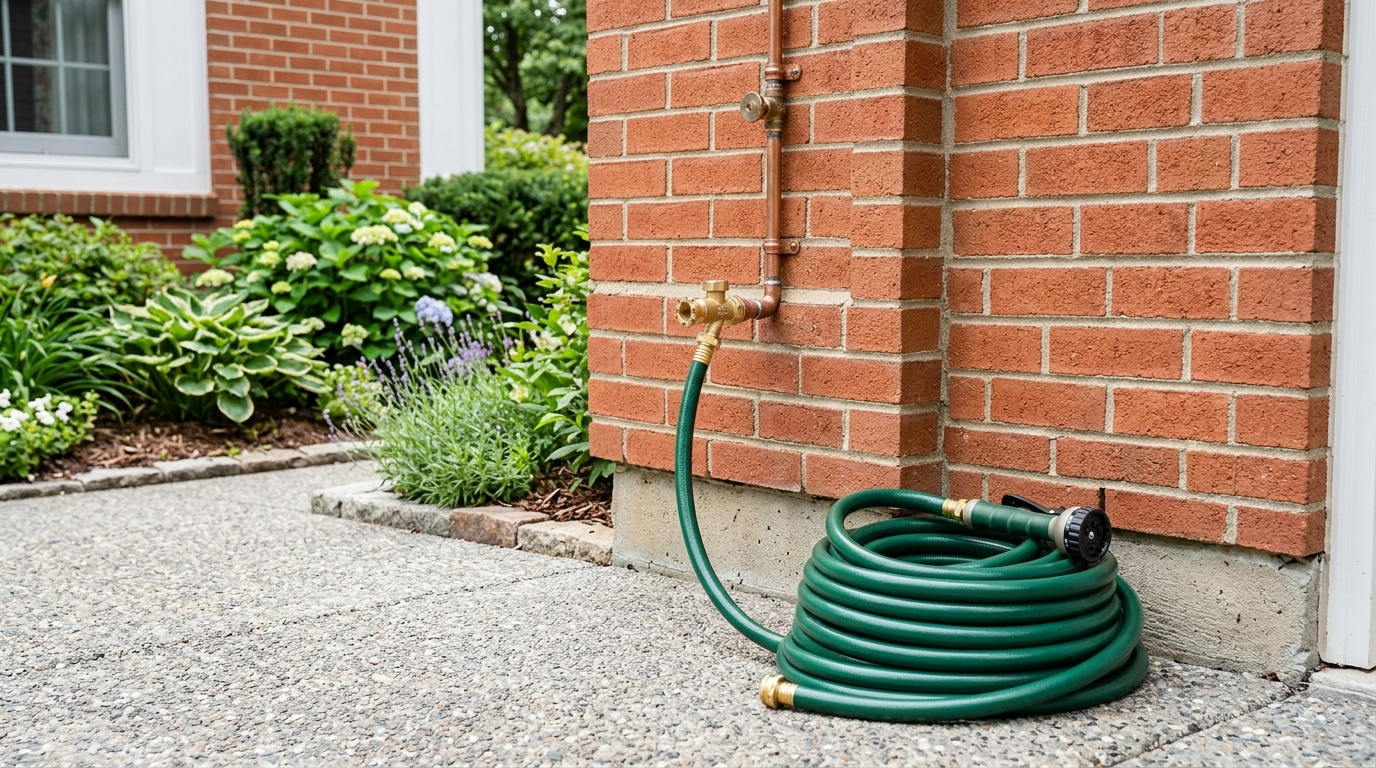
Think of a pressure washer a bit like a pair of very sharp kitchen scissors. In the hands of someone who knows how to hold them and cut carefully, they are an incredible tool that gets the job done cleanly and quickly. But if someone swings them around without paying attention, they can cause accidental damage. When homeowners ask whether pressure washing can hurt a house, the honest answer is: yes, it can if it is done carelessly—but when done correctly with the right methods, it is completely safe and beneficial for your home.
Water seems gentle when it comes out of a bathroom faucet or a garden sprinkler. However, when water is compressed and forced through a tiny nozzle at thousands of pounds of pressure per square inch, it turns into a concentrated force. Understanding how that force interacts with different building materials is the key to keeping your home pristine without causing unintended harm.
What Can Happen When High Pressure Is Used the Wrong Way?
To understand why technique matters, it helps to look at what happens when too much force meets delicate surfaces. Exterior building materials are tough enough to handle rain and wind, but they are not designed for direct, high-velocity blasts at close range.
Here are the most common issues that arise from improper pressure washing:
- Damaged Siding and Etched Wood: Softwoods used on decks and porches can splinter or gouge under excessive pressure. Vinyl siding can crack or bend, and painted wood siding can have its protective paint layers accidentally stripped away.
- Water Intrusion Behind Walls: Siding is designed to shed water running downward, like rainfall. An upward or high-pressure horizontal blast can force water behind siding panels, soaking exterior sheathing or insulation where it struggles to dry out.
- Broken Window and Door Seals: Modern double-pane windows rely on delicate rubber and silicone seals to keep out moisture and insulate the glass. A concentrated blast of high-pressure water can degrade or rupture these seals, leading to foggy glass or hidden leaks.
- Eroded Mortar and Soft Brick: While concrete walkways can handle firmer pressure, older brickwork and the mortar holding it together can crumble or flake if blasted with an overly narrow, high-pressure spray nozzle.
Soft Washing vs. Pressure Washing: Choosing the Right Tool
Because full-force pressure can be too harsh for many parts of a home, professional exterior cleaning relies heavily on an approach known as soft washing. Rather than relying on brute force to strip away grime, soft washing uses gentle, low-pressure water combined with targeted cleaning detergents.
These specialized solutions break down surface algae, mildew, pollen, and dirt at a microscopic level. Once the cleaning solution has done the hard work of loosening the organic buildup, a soft rinse washes everything away safely. This method provides several clear advantages:
- It preserves the structural integrity of vinyl, fiber cement, stucco, and wood siding.
- It keeps water from being driven upward beneath overlapping siding seams.
- It treats the root causes of organic staining rather than just blasting the surface layer.
Matching the Right Pressure to the Right Surface
Safe exterior maintenance is all about adjusting the approach to fit the surface being cleaned. A driveway and a delicate roof require completely different care.
Hard, Dense Surfaces (Concrete & Driveways)
Poured concrete walkways, driveways, and stone pavers are durable and dense. These areas can safely handle moderate to higher pressure to lift settled ground-in dirt, tire marks, and surface grime. Even so, the spray must be kept moving evenly to avoid leaving uneven lines or etching the top layer of concrete.
Delicate Surfaces (Siding, Soffits, and Trim)
Siding materials, gutters, and trim work require low pressure. Using wide-angle spray tips and soft-wash application techniques ensures the surface gets clean without pushing water into vents or stripping decorative finishes.
Decks and Fences
Whether made of cedar, pine, or composite materials, decking requires measured pressure and wide fan nozzles. The goal is to clean with the grain of the wood, never against it, using just enough rinse pressure to lift dirt without raising the wood fibers.
Why Professional Exterior Cleaning Keeps Your Home Protected
Safe cleaning comes down to training, patience, and having the right equipment. Professional technicians adjust nozzle angles, regulate pressure output, and select specialized cleaning formulas tailored to each specific material around your property.
By understanding the balance between water volume, pressure levels, and proper cleaning solutions, you can keep your home’s exterior looking fresh, bright, and well-maintained without putting your siding, seals, or landscaping at risk.