
Pressure Washing
Can Pressure Washing Get Rid of Rust Stains on Concrete?
A simple guide to why orange stains appear on your outdoor surfaces and the safe, effective way to wash them away.
September 15, 2026
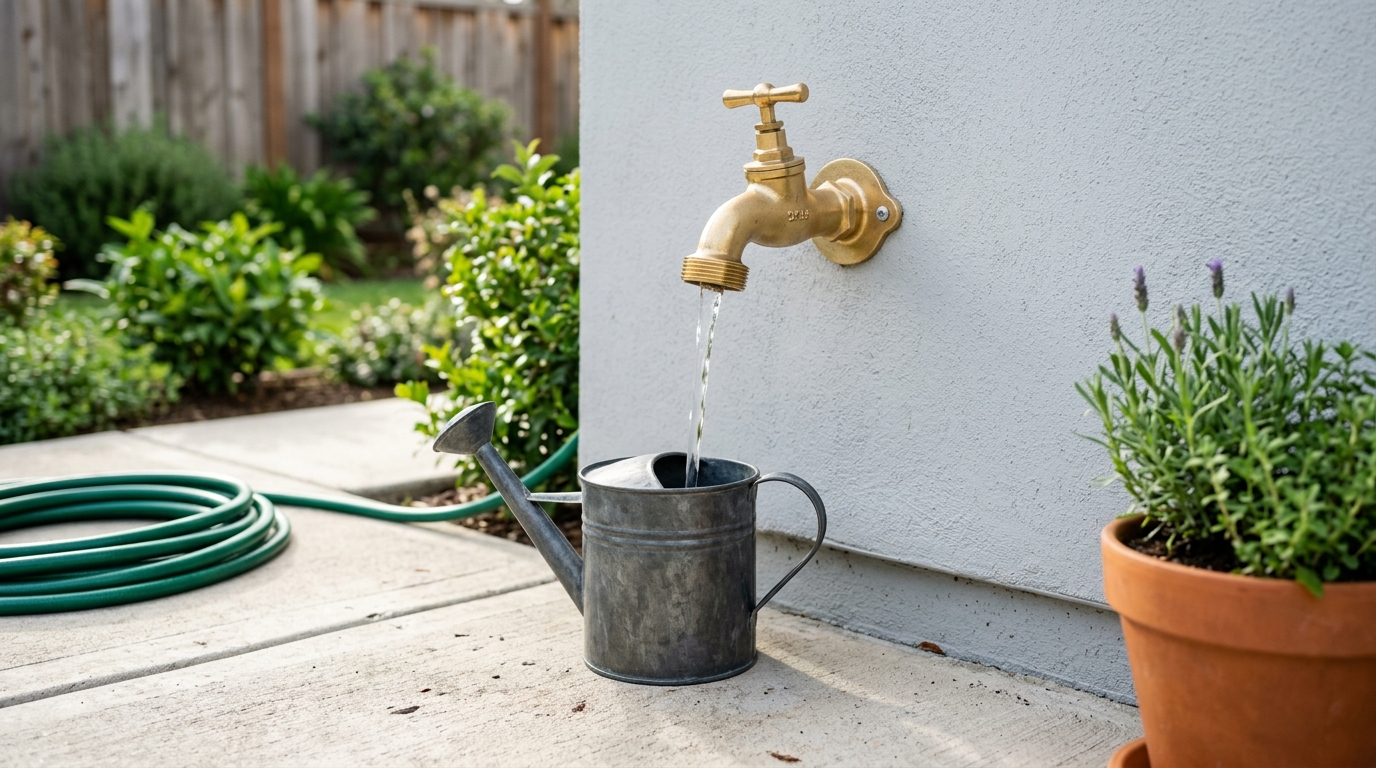
Have you ever walked out to your driveway or patio on a sunny morning and spotted an ugly orange or reddish-brown smudge on the concrete? Maybe it is right underneath an outdoor water spigot, near your lawn sprinklers, or where a metal patio chair sat after a summer rainstorm. Rust stains can make clean concrete look dirty and worn down in no time.
When homeowners see these stubborn spots, their first thought is usually to grab a pressure washer, crank up the power, and try to blast the color away with pure water. But does pressure washing alone actually get rid of rust stains on concrete? The short answer is: water pressure by itself usually cannot finish the job, and pushing the pressure too high can even hurt your concrete. Let us take a simple, step-by-step look at what rust really is, why it sticks so tightly to concrete, and how the right cleaning approach lifts it away safely.
What Is Rust and Why Does It Love Concrete?
To understand why rust stains are so hard to wash away, it helps to know what rust actually is. Rust is the common name for something called iron oxide. It happens when three simple ingredients come together: metal containing iron, water, and oxygen from the air.
When iron gets wet and stays exposed to air, a natural chemical reaction takes place. The metal slowly breaks down and forms a reddish-brown crust. When that rusty water drips onto concrete, it brings tiny particles of iron oxide along with it.
Here is the tricky part: concrete looks smooth and solid from a distance, but up close, it is actually full of microscopic holes and tunnels. You can think of a concrete driveway or sidewalk like a very hard, heavy sponge. When rusty water drips onto the surface, it does not just sit on top. It sinks deep down into those tiny pores. Once the water dries up, the iron particles stay behind, trapped inside the stone sponge.
Where Do Rust Stains on Concrete Come From?
Rust stains can show up around your home from several everyday sources. Some of the most common culprits include:
- Outdoor Spigots and Hose Bibs: A slow drip from an outdoor faucet can keep the concrete wet for weeks. If there are older metal fittings, galvanized pipes, or iron washers inside, rust forms and drips straight onto the slab.
- Well Water and Sprinkler Systems: Many residential irrigation systems pull water from private wells that naturally contain dissolved iron. Every time the sprinklers run and overspray onto the driveway or walkway, that iron-rich water leaves behind an orange ring as it evaporates.
- Lawn Fertilizers: Many popular lawn care products contain iron to help grass turn dark green. If small fertilizer granules land on the concrete during spreading and get hit with water, each tiny bead can create a dark rust freckle.
- Metal Furniture and Tools: Leaving steel patio chairs, garden tools, propane tanks, or metal trash cans sitting on wet concrete will often stamp a rust outline into the surface.
Why High Water Pressure Alone Is Not Enough
It is tempting to think that using extreme water pressure will simply scour the rust right out of the pores. Unfortunately, plain water cannot break the chemical bond holding the rust to the concrete.
When you use ultra-high pressure to attack a deep rust mark, one of two things usually happens:
- The stain stays behind: The water might knock away loose dirt on top, but the orange color remains locked inside the pores of the concrete.
- The concrete gets damaged: Cranking the pressure washer up too high can blast away the top cream layer of the concrete. This creates permanent rough patches, stripes, and etching, while leaving the rust stain still visible underneath.
The Secret to Removing Rust: Chemistry First, Gentle Rinsing Second
Because rust is a chemical stain, the only way to completely lift it is with a safe chemical reaction. Instead of using brute force, professional surface cleaners use specialized rust-dissolving solutions.
These targeted cleaning agents work by changing the chemistry of the iron oxide. When applied to the stain, the solution penetrates the pores of the concrete, binds with the iron, and neutralizes the orange color. It essentially turns the stubborn, insoluble rust into a water-soluble compound that can be rinsed away with moderate, surface-safe water flow.
Once the cleaning solution has done the hard work of breaking the chemical hold, a controlled pressure wash cleanly flushes the residue out of the concrete pores without chewing into the stone.
How Skinner Cleaning LLC Restores Stained Concrete
Tackling tough rust marks requires the right balance of proper cleaning agents, dwell time, and controlled rinsing. At Skinner Cleaning LLC, outdoor surface restoration is approached with care and precision.
Here is how Skinner Cleaning LLC handles stubborn rust spots to bring concrete surfaces back to life:
- Accurate Surface Evaluation: Every surface is inspected to identify where the stain came from and how deep it runs, ensuring the correct cleaning method is selected.
- Targeted Treatment: Rather than relying on harsh abrasive blasting, professional-grade rust removal treatments are applied directly to the affected areas to dissolve the iron oxide down in the concrete pores.
- Surface-Safe Washing: After the chemical bond is broken, balanced water flow and professional surface cleaning equipment are used to lift and rinse the residue away evenly, leaving no wand marks or gouges.
- Property Protection: Surrounding landscaping, grass, and outdoor fixtures are protected throughout the process to ensure your entire property stays healthy and neat.
Rust stains do not have to be a permanent eye-sore on your driveway, walkway, or patio. With the right combination of targeted chemistry and skilled washing, Skinner Cleaning LLC can lift deep orange stains and restore the clean, bright look of your outdoor concrete.