
Soft Roof Cleaning
Is It True That Some Algae Can Actually Eat Your Roof?
The slightly spooky science behind those dark streaks creeping across your shingles—and how to stop them.
August 18, 2026
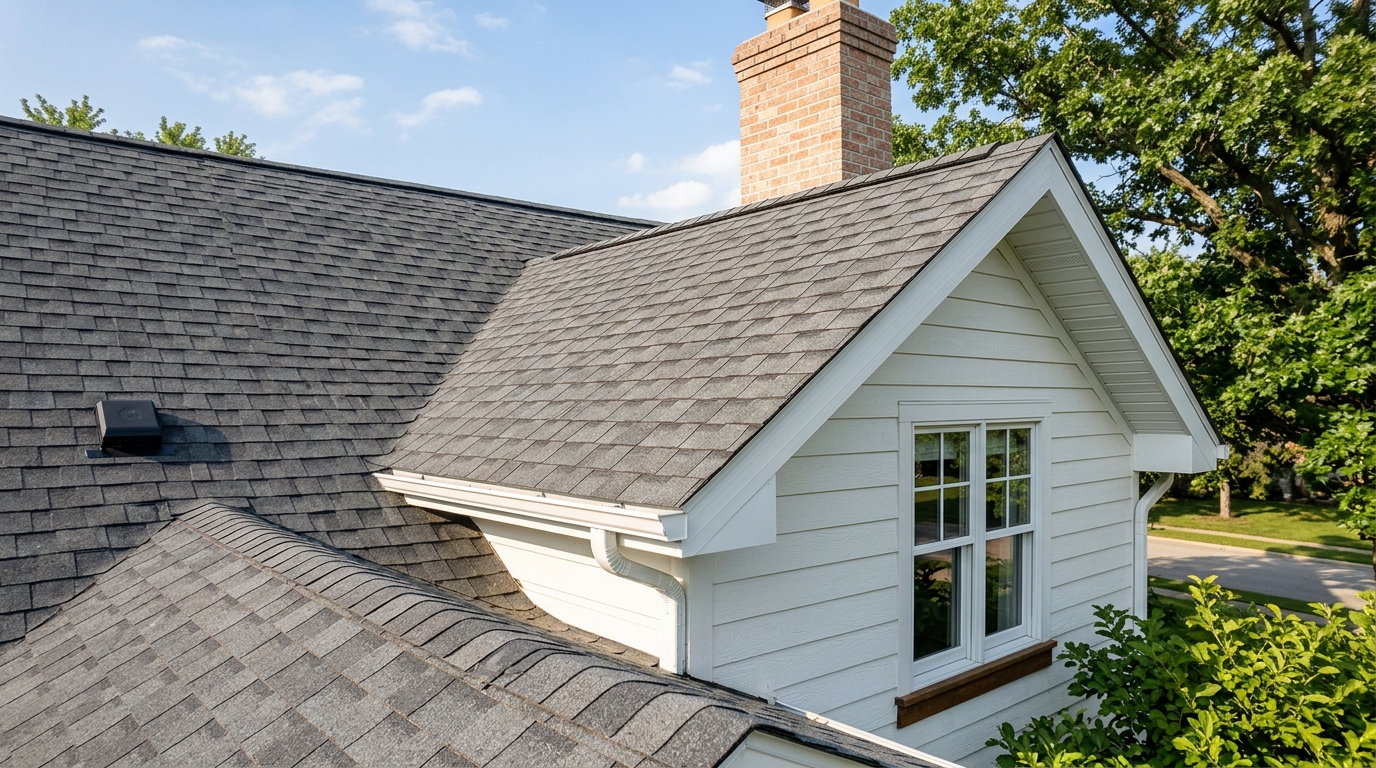
Imagine a tiny creature so small you cannot see it without a microscope. It travels silently on the wind, lands on top of your house, and decides your roof looks like an all-you-can-eat buffet. It sounds like something straight out of a campfire ghost story or a weekend science fiction movie, but it is actually a real, living part of nature. If you have ever looked up at a home and noticed dark, shadowy streaks creeping down the shingles, you have seen this mysterious visitor in action.
So, is it true that algae can actually eat away at your roof? The short answer is: yes, in a very real and scientific way, it does. Here is the curious truth about what is living up there and why safe, professional exterior care makes all the difference.
Meet the Creature: Gloeocapsa Magma
The organism responsible for those mysterious black streaks across residential roofs is a type of cyanobacteria—an ancient family of photosynthetic bacteria often called blue-green algae. Its scientific name is Gloeocapsa magma.
These microscopic organisms travel through the air as invisible spores. When the wind blows, millions of them drift across neighborhoods until they find a warm, damp landing spot. North-facing roof slopes and shaded sections beneath tall trees are their favorite environments because morning dew and rain take longer to evaporate there.
Why Is It "Eating" Your Shingles?
Algae need food and moisture to survive, just like any other living organism. But wood and fiberglass alone do not interest them. So, what are they feasting on?
Modern asphalt shingles are manufactured with a heavy dose of crushed limestone (calcium carbonate). Manufacturers add limestone powder into the asphalt backing to add weight, sturdiness, and fire resistance to the shingles. To Gloeocapsa magma, that limestone filler is a rich mineral snack.
Once the algae spores land on your roof, they anchor themselves into the tiny pores between shingle granules and begin slowly extracting nutrients from the limestone. As they feed, they multiply, spreading out in colony trails that look like dark, dripping stains running down your roofline.
The Dark Cloak: Why It Turns Black
Here is another spooky science detail: blue-green algae start out green, but once they establish a colony on your roof, they produce a dark, pigmented outer sheath. This dark coating acts just like built-in sunscreen to protect the algae from intense ultraviolet (UV) rays from the sun.
While this dark shield keeps the algae safe and comfortable, it causes two big problems for your home:
- It traps heat: Dark colors absorb solar energy. A roof covered in black algae streaks gets significantly hotter than a clean roof, radiating extra heat into your attic and driving up cooling demands during warm months.
- It retains moisture: The dark bacterial mat holds onto moisture from rain and humidity, keeping your roof damp far longer than it should be.
The Domino Effect on Your Roof
The bacteria eating the limestone filler is only step one. As the algae break down the binder holding your shingles together, several things happen in slow motion:
- Granule Loss: The protective colored granules on your shingles begin to loosen and wash into your gutters during heavy rain. Without these granules, the underlying asphalt is exposed directly to sun and weather.
- Moss and Lichen Move In: Algae colonies create the perfect damp base layer for moss and lichen to take root. Unlike algae, moss and lichen have root-like structures (rhizoids) that dig deep into the shingles, physically prying them apart and causing edges to curl or crack.
- Premature Aging: Over time, the combination of moisture retention, granule erosion, and organic growth shortens the overall lifespan of the roofing material.
Why High-Pressure Blasting Is Not the Solution
When homeowners discover living organisms on their shingles, their first instinct might be to blast them off with high-pressure water. However, using high pressure on asphalt shingles is like using a sandblaster on a delicate surface.
High-pressure washing strips away thousands of protective shingle granules, breaks the adhesive seals between shingle tabs, and forces water underneath the roof decking. While it might look clean for a few weeks, the pressure actually accelerates the physical damage and leaves the underlying material vulnerable.
How Skinner Cleaning LLC Stops the Damage Early
The safest and most effective way to eliminate roof algae is through a dedicated process known as soft roof washing. Instead of relying on damaging water pressure, Skinner Cleaning LLC uses low-pressure application systems paired with specialized, manufacturer-approved cleaning solutions.
Here is why soft washing solves the problem at the biological root:
- It Neutralizes the Organism: Soft washing does not just push the surface dirt around; it safely treats and eliminates Gloeocapsa magma, moss, and lichen down to their spores so they stop feeding on your shingles.
- It Protects Shingle Integrity: Water is applied at a gentle garden-hose pressure, ensuring that delicate granules remain intact and seals stay tight.
- It Restores Curb Appeal: As the treatment works, the unsightly dark streaks disappear, revealing the original color and clean appearance of your roofing material.
Those dark streaks on your roof are more than just a cosmetic blemish—they are a sign of living biology at work. By scheduling professional soft roof washing with Skinner Cleaning LLC, you can halt the feeding cycle early, protect your shingles, and bring your roof back to life before permanent damage sets in.