
Pressure Washing
Is Pressure Washing Bad for Plants, Bugs, and Nature?
A gentle, honest look at how power washing affects outdoor ecosystems and how homes can be cleaned without harming the yard.
September 17, 2026
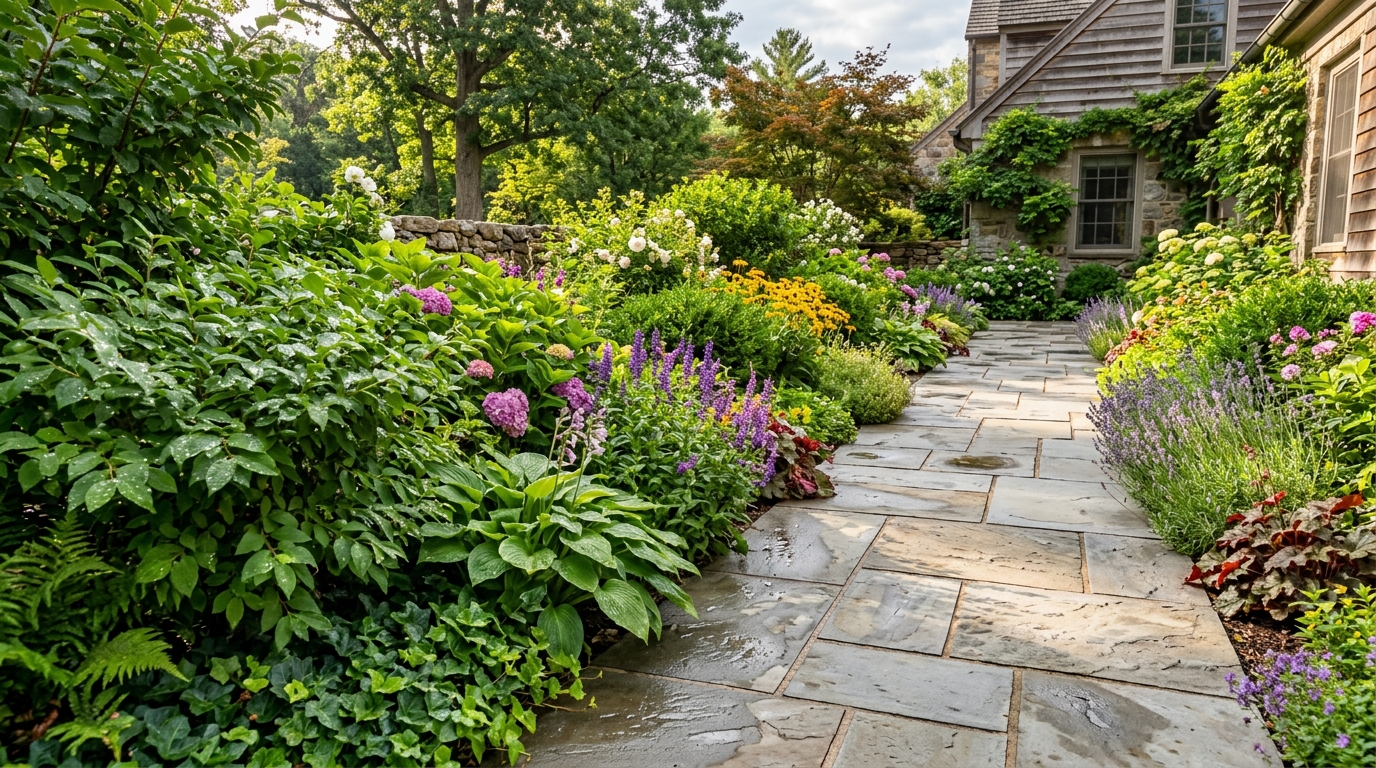
If you have ever crouched down by the sidewalk to watch a caterpillar crawl across a dandelion or wondered where earthworms go when it rains, you know that a backyard is not just grass and concrete. It is a tiny, busy city filled with busy insects, tender plant roots, and living soil.
When a large machine starts humming and shooting out a powerful stream of water to clean a driveway or siding, it is natural to ask: Does this hurt the plants? What happens to the ladybugs, beetles, and earthworms? Is pressure washing bad for the environment? Here is the honest answer, explained simply.
How Powerful Is Pressure Washing, Really?
To understand how pressure washing affects living things, think about the difference between a gentle garden sprinkler and a firefighter's hose. A garden hose lets water flow smoothly so plants can take a slow drink. A pressure washer takes regular tap water and squeezes it through a very narrow nozzle using a strong pump.
This creates a focused jet of water that hits surfaces with immense force. That force is fantastic for lifting stubborn dirt, dark mildew, and slippery algae off hard stone or concrete. However, because that water moves so fast, it would be far too harsh to spray directly onto delicate leaves, soft moss, or tiny insects.
What Happens to the Bugs and Little Critters?
Backyard bugs are remarkably tough, but high-pressure water can disrupt them if it is aimed in the wrong direction. Here is what happens under the surface:
- On Hard Surfaces: Ants or spiders walking on a dirty patio or siding would be washed away by a direct blast. Responsible washers check surfaces beforehand and avoid spraying directly into known nesting areas or pollinator hubs.
- In the Soil: Earthworms and burrowing beetles live beneath the dirt. Normal surface washing does not harm them because the soil acts like a protective blanket, as long as excessive pressure is kept away from exposed garden beds.
- On Leaves and Stems: Tiny caterpillars and ladybugs cling to foliage. Direct pressure can knock them off or damage the leaves they call home, which is why high-pressure streams should never be sprayed into bushes, flowerbeds, or trees.
Can Plants, Grass, and Flowers Get Hurt?
Plants are resilient, but they have tender parts. There are two main ways pressure washing could harm a plant if done carelessly:
- Physical Force: High-pressure water can tear soft leaves, snap flower stems, or strip the protective bark off young shrubs. It can also blast topsoil out of garden beds, exposing sensitive roots to the dry air.
- Cleaning Solutions and Soap Runoff: When cleaning dirty walls or greasy driveways, specialized detergents are often used to break down grime. If strong soaps dry on delicate leaves or seep into thirsty root systems in concentrated amounts, they can cause the leaves to wilt or turn brown.
Is Pressure Washing Bad for the Environment as a Whole?
The short answer is: not when it is done correctly.
In fact, regular washing can help the environment around a home. Removing thick layers of slippery algae, moss, and mold stops these growths from damaging building materials, which prevents wood and concrete from needing premature replacement. Manufacturing new building supplies uses far more energy and natural resources than cleaning existing ones with water.
The key to protecting nature lies entirely in how the cleaning is performed. When washers use proper techniques, water volume is managed carefully, runoff is directed toward proper drainage areas, and harsh, unneeded chemicals are avoided.
How Responsible Washers Protect the Garden
Professional cleaning does not have to come at the expense of a healthy yard. Safe outdoor cleaning relies on smart habits that keep the outdoor ecosystem thriving:
- The Pre-Rinse Shield: Before any cleaning begins, shrubs, grass, and flower beds are soaked with plain, fresh water. When plant leaves and soil are already full of clean water, they cannot absorb soapy runoff, acting like a natural shield.
- Soft Washing Over High Pressure: Many exterior surfaces, such as home siding, roofs, and painted wood, do not need intense blasting at all. Instead, a technique called "soft washing" uses gentle, low-pressure water combined with targeted, biodegradable cleaning agents to gently lift dirt without disturbing nearby greenery.
- Covering Sensitive Areas: Delicate flower patches or prized garden plants can be loosely covered with protective tarps during the cleaning process to keep stray mist away.
- The Final Rinse: After the surface is sparkling clean, all surrounding garden beds and grass receive another thorough rinse of pure water to dilute any stray solution and give the soil a fresh drink.
How Skinner Cleaning LLC Protects Your Yard
At Skinner Cleaning LLC, outdoor spaces are treated with care and respect. Bringing driveways, walkways, patios, and siding back to life should never mean sacrificing the plants, grass, or outdoor living spaces that make a home beautiful.
Skinner Cleaning LLC approaches every exterior surface with the right balance of pressure and technique. By rinsing surrounding foliage, carefully managing water flow, and selecting the gentlest effective methods for every material, your outdoor surfaces get a thorough refresh while your yard, soil, and garden stay protected.