
Soft House Cleaning
Pressure Washing vs. Soft Washing: What Is the Difference for Your Home?
A simple, friendly guide to understanding when tough surfaces need power and when delicate materials need a gentle touch.
September 6, 2026
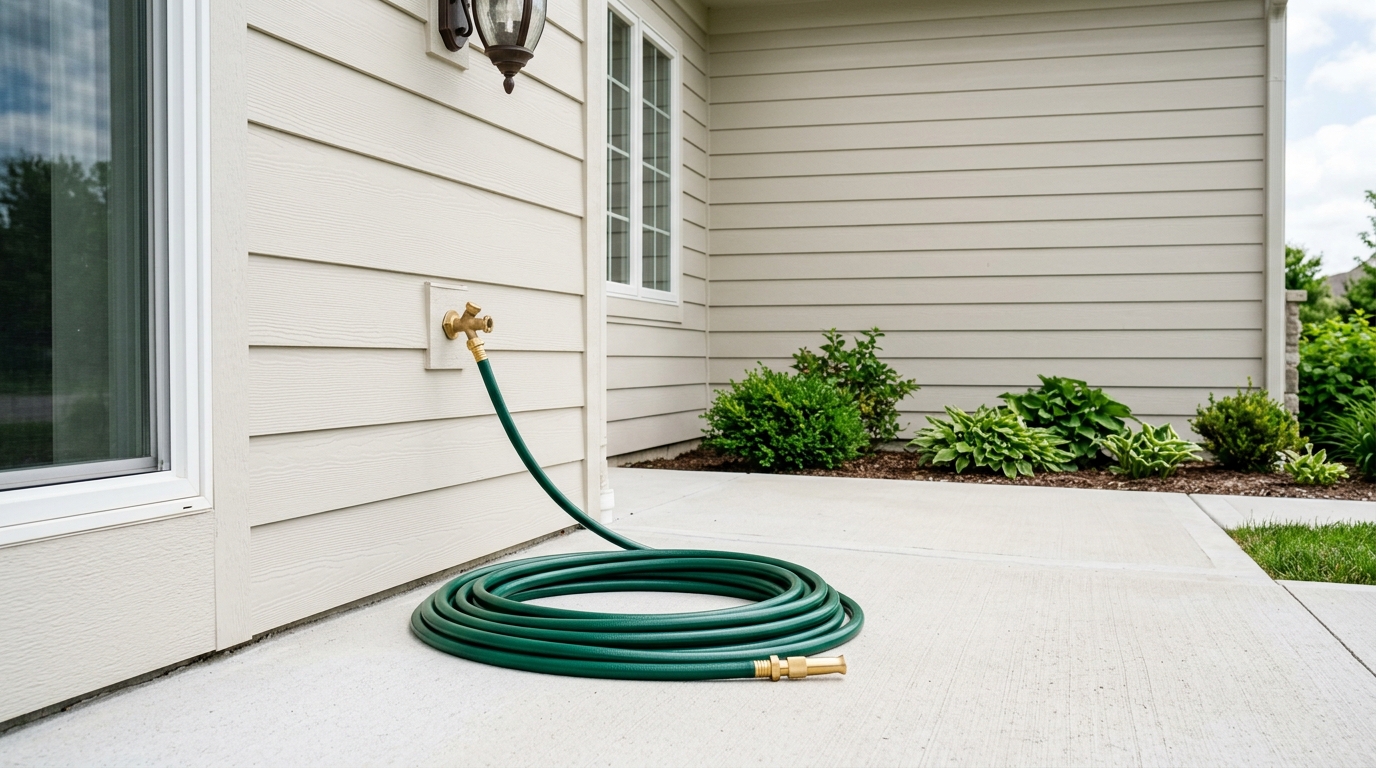
If you have ever heard someone talk about outdoor cleaning, you might have heard two terms that sound almost identical: pressure washing and soft washing. It is easy to wonder if they are just two names for the exact same chore, but they are actually very different tools used for very different jobs.
Think about washing your hands after playing in the dirt versus brushing your teeth. You would not use a rough wire brush on your teeth, and a tiny dab of gentle foam would take forever to scrub mud off tough work boots. Your house works the exact same way. Different surfaces need different kinds of care so they get clean without getting damaged.
What Is Pressure Washing?
Pressure washing is like turning a regular garden hose into a focused, high-energy stream of water. A special pump pushes water through a narrow spray tip with immense force. When that water hits a hard surface, the sheer speed and push of the water knock away dirt, mud, dried paint chips, and embedded grime.
Because the water comes out with such strong force, pressure washing relies mostly on mechanical power—the physical hit of the water—to blast away dirt. Very little or no special soap is needed because the water pressure does the heavy lifting on its own.
Where Does Pressure Washing Work Best?
Pressure washing is designed for tough, dense materials that can take a beating without cracking or chipping. The best surfaces for high pressure include:
- Concrete driveways and walkways: Hard concrete handles the blast easily and sheds ground-in tire marks or dirt.
- Brick paths and stone patios: Natural stone and hard masonry withstand strong water streams.
- Unfinished metal or heavy equipment: Sturdy metal parts hold up well against forceful spraying.
What Is Soft Washing?
Soft washing is almost the complete opposite of pressure washing. Instead of using raw water power to knock dirt loose, soft washing uses a gentle stream of water—similar to the pressure coming out of your kitchen sink or garden hose—combined with specialized, surface-safe cleaning solutions.
In soft washing, the cleaning solution does the hard work rather than high pressure. The gentle spray applies the mixture to the surface, where it breaks down algae, moss, mildew, and sticky pollen. After the cleaning solution does its job of dissolving the grime, a low-pressure rinse washes everything cleanly away without stressing the material underneath.
Where Does Soft Washing Work Best?
Soft washing is the preferred method for delicate or layered parts of a home that could be dented, cracked, or stripped by a hard blast. These surfaces include:
- Vinyl and wood siding: High pressure can force water behind siding panels or gouge soft wood, whereas soft washing cleans the surface gently.
- Asphalt shingle roofs: Roof shingles are covered with tiny protective granules. A hard blast can knock those granules off, but soft washing lifts dark streaks without disturbing the shingles.
- Stucco and painted trim: Soft washing cleans textured coatings without chipping away paint or punching holes in delicate exterior finishes.
- Screened porches and outdoor glass: Gentle washing protects window seals and screen mesh from tearing.
Why You Should Never Blast Delicate Surfaces
It can be tempting to think that more water power always means a faster clean. However, using high pressure in the wrong spot can cause several hidden problems around a home:
- Trapped Moisture: High-pressure water can easily shoot upward underneath overlapping siding planks, soaking the wood framing and insulation inside the wall.
- Damaged Seals: Strong water streams can push past the rubber seals around exterior hose bibs, pipes, windows, and doors, letting moisture sneak into wall cavities.
- Surface Etching: Wood decks and soft stone can end up with permanent spray lines or splintering if washed with too much force.
- Shortened Material Lifespan: Stripping the protective surface off roofing shingles or delicate paint finishes makes those materials wear out years earlier than they should.
How to Tell Which Method Your Surface Needs
Whenever an exterior surface around your property looks dull, green, or dusty, ask yourself one simple question: Is this surface hard like a rock, or delicate like a painted board?
If the surface is flat, durable concrete or stone flatwork, pressure washing is usually the right choice to lift stubborn stains. If the surface is part of your home's walls, roof, painted railings, or exterior fixtures, soft washing provides a thorough clean while keeping every seam, seal, and surface completely safe.