
Retaining Walls & Masonry
Why Do Retaining Walls Get So Messy? A Simple Guide for Homeowners
Your stone and brick work hard all year — here's how to keep them looking their best
October 1, 2026
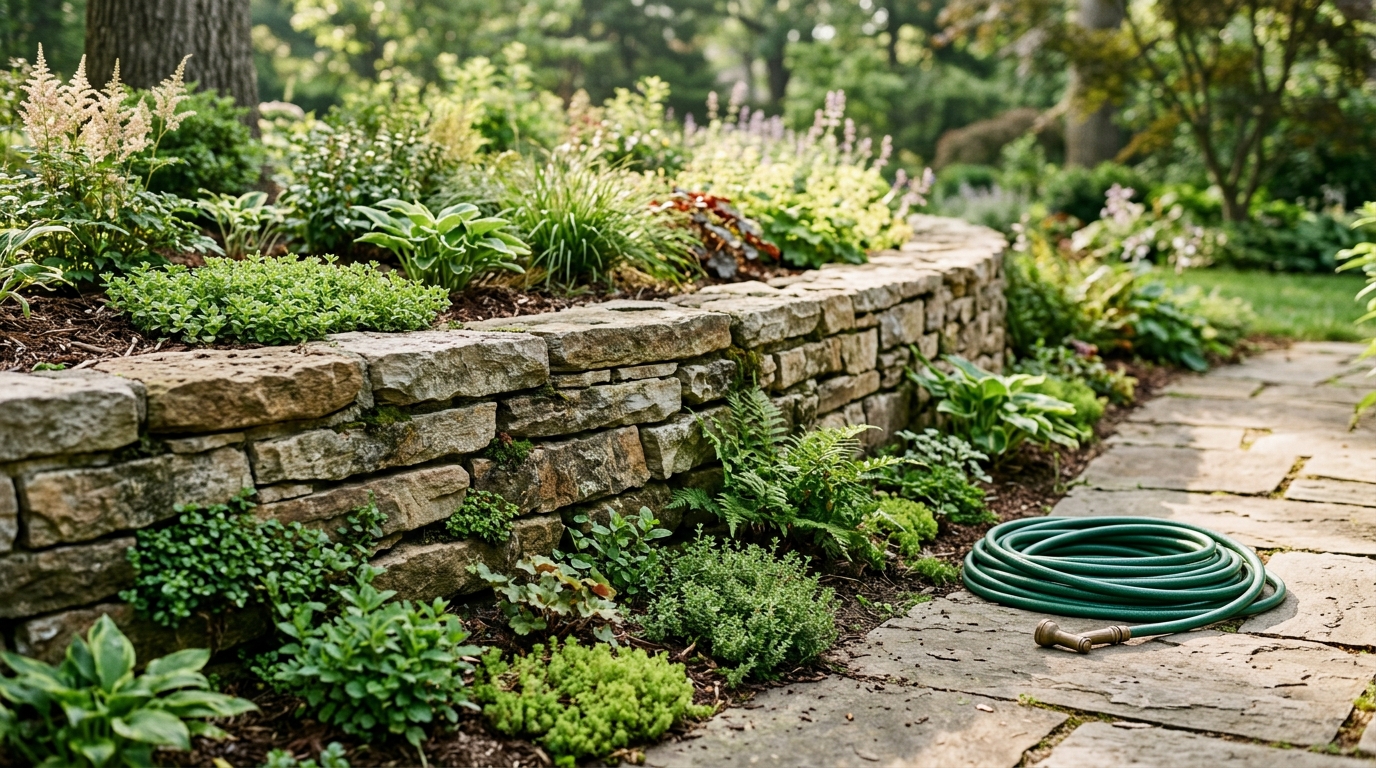
Have you ever walked past a stone wall holding back a hill and wondered how it stays strong? Retaining walls and masonry are some of the toughest things around your home — and also some of the most ignored. So let's ask a big question, then answer it in plain words.
What Does a Retaining Wall Actually Do?
A retaining wall holds back soil. Think of it like a strong arm pressed against a tall pile of dirt. It keeps that dirt from sliding downhill. Masonry is simply the name for things built from stone, brick, or concrete blocks. Retaining walls, patios, steps, and chimneys are all masonry.
The Big Question: Why Do Walls Get So Dirty and Worn?
Walls live outside. That means rain, sun, wind, and plants work on them every single day.
- Water soaks into stone and brick. When water freezes, it expands. That can push tiny cracks wider.
- Plants drop seeds into the cracks. Weeds grow, roots spread, and they slowly push the wall apart.
- Moss and algae grow on damp spots. That green or black film makes a wall look old and can feel slippery.
- Dirt and grime stick to the surface, especially near roads or under trees.
None of this automatically means your wall is broken. Most of the time, it just means the wall needs care.
How Do You Check Your Wall?
Walk outside and look closely. Ask yourself:
- Are there cracks that seem to be getting bigger?
- Is the wall leaning or bulging?
- Is water pooling behind the wall instead of draining away?
- Are there green stains, white chalky marks, or weeds in the joints?
Write down what you see. If a wall is leaning or bulging, that is a job for a mason or an engineer — not a cleaner. Cleaning can improve how a wall looks. It does not fix structure.
What Can You Do Yourself?
- Pull weeds by hand while they are small. Don't yank hard enough to loosen the joints.
- Sweep off leaves and dirt so they don't hold moisture against the surface.
- Move water away from the wall. Check gutters and downspouts.
- Rinse gently with a garden hose. Too much pressure can damage mortar and push water into places it shouldn't go.
- Skip harsh chemicals when you don't know what the stone is. Some products can etch or discolor certain types of masonry.
When Should You Ask a Professional?
Ask for help when the surface is stained, mossy, or so dirty that a garden hose can't touch it — or when you're not sure what your wall is made of. Different masonry needs different care. A trained eye can look at a wall and understand what is safe to do.
That is where Skinner Cleaning LLC comes in. Skinner Cleaning helps homeowners answer these exact questions: Is this just dirt, or is it damage? Can this stain come off? Will cleaning harm my brick? The team looks at your retaining walls, brick, stone, and concrete, explains what they see in plain language, and helps you decide the right next step — whether that means cleaning or calling a mason. You don't have to guess on your own.
Ready to get real answers about your wall? Contact Skinner Cleaning LLC today with your questions and find out how your masonry can look its best again.
Need Help With Why Do Retaining Walls Get So Messy? A Simple Guide for Homeowners?
Skinner Cleaning LLC can help. Contact our team today to talk through your needs and schedule service.