
Pressure Washing
Where Does the Dirt Go When You Pressure Wash?
A simple look at where grime, mud, and water actually travel once they leave your driveway or siding.
September 11, 2026
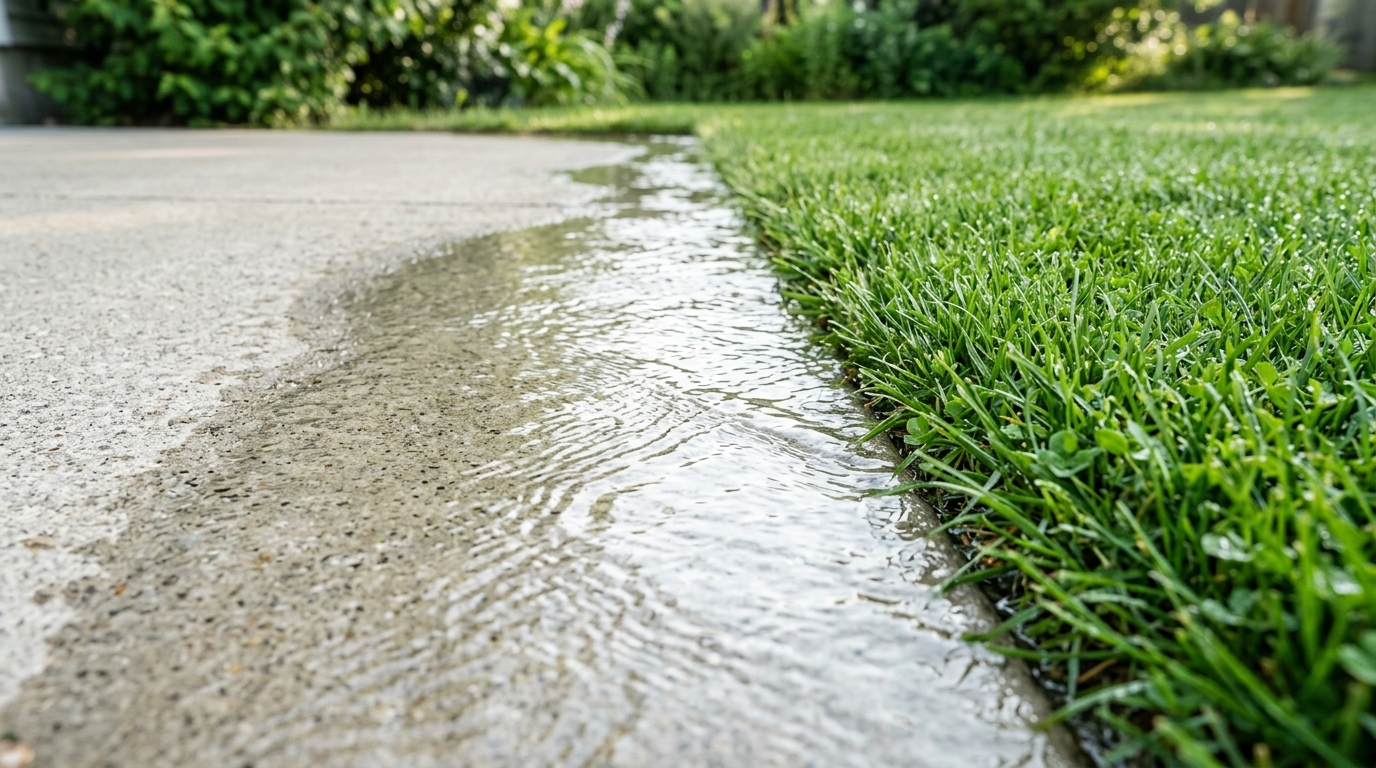
Have you ever watched someone use a pressure washer on a dark, dirty sidewalk and noticed how the grime seems to vanish like magic? One second the concrete is covered in gray mud and green fuzz, and the next second it looks brand new. But dirt cannot simply disappear into thin air. If it is no longer stuck to the driveway or the side of the house, where did it actually go?
It is a fun question that kids and curious homeowners ask all the time. The answer is all about water flow, tiny particles, and how your yard handles runoff. Let us follow the journey of that grime from the moment the spray hits the ground to where it finally settles.
What Is the Dirt Made Of in the First Place?
Before we follow the dirt, it helps to understand what is sitting on your outdoor surfaces. Most outdoor grime is not just ordinary mud. It is usually a mix of several natural and everyday things:
- Soil and sand: Blown in by the wind or tracked in from shoes and tires.
- Pollen and plant bits: Tiny dust from flowers, decaying leaves, and tree sap.
- Algae and moss: Living green and black growths that love damp, shady spots.
- Airborne soot and oil: Tiny particles from car exhaust and road dust that settle on driveways.
When a pressure washer shoots out high-speed water, it acts like a million microscopic scrub brushes hitting the surface at once. It knocks all those tiny pieces loose and mixes them into the rushing water.
The Three Paths Dirt Takes After Washing
Once the water blasts the dirt away from your patio, siding, or driveway, the dirt-filled water starts moving. Depending on where you are washing, it usually takes one of three main paths.
1. Soaking Into the Soil and Grass
When water rolls off a walkway or siding into a lawn or garden bed, the soil acts like a giant natural sponge. Grass roots, mulch, and layers of earth slow the water down and trap the larger dirt particles. Natural soil microbes then go to work breaking down organic matter like algae, mold spores, and pollen, turning them into harmless compost over time. For natural dirt, soaking into the soil is often the safest and cleanest way for it to settle.
2. Evaporating and Settling as Fine Dust
Some of the water gets blasted into a fine mist during the cleaning process. If you have ever felt a cool spray in the air while watching pressure washing, you have felt that mist! The tiniest particles of dirt float briefly in those water droplets. When the mist hits the surrounding air and dries in the sunshine, the tiny particles settle gently onto nearby grass or soil as microscopic dust, completely unnoticeable to the eye.
3. Flowing Down the Water Highway to the Drain
When you wash a long driveway or curb, the water naturally follows gravity. It rushes down the hard pavement toward the street and enters the storm drain. Unlike the drains inside your home—like your sink, toilet, or shower, which flow to a municipal water treatment plant—outdoor storm drains typically lead straight into nearby retention ponds, creeks, rivers, or lakes. That means whatever is in the water on the street often ends up directly in local waterways.
Why Managing Runoff Matters
Because storm drains lead directly to nature, taking care of where that wash water travels is very important. Clean water mixed with ordinary garden soil is relatively harmless, but heavy oils, strong chemical detergents, and concentrated mold can cause problems if they are flushed straight into a neighborhood pond or storm sewer in large amounts.
Responsible cleaning keeps these factors in mind by controlling how water moves across hard surfaces and preventing unwanted substances from washing into public drains.
How Skinner Cleaning LLC Handles Runoff Responsibly
At Skinner Cleaning LLC, bringing dirty outdoor surfaces back to life is about doing the job thoroughly while taking care of the surrounding property. We understand that cleaning does not stop at lifting the dirt—it also means paying attention to where the water flows.
- Protecting Landscaping: We rinse and manage water around flower beds, shrubs, and turf so that grass and delicate plants stay healthy.
- Smart Water Management: We direct runoff toward safe drainage areas whenever possible, keeping heavy grime from pooling on walkways or rushing into storm drains unfiltered.
- Surface-Appropriate Cleaning: Rather than relying on harsh treatments that create harmful runoff, we use appropriate water pressure and gentle, effective solutions matched to each surface material.
When done right, pressure washing restores the bright, clean beauty of your home without leaving a mess behind for your yard or neighborhood waterways. If your driveways, patios, or exterior walls are ready for a fresh start, Skinner Cleaning LLC is here to help revitalize your property safely and responsibly.