
Soft Roof Cleaning
Why Does My Roof Have Black Streaks? (And Is It as Bad as It Looks?)
Take a deep breath: those dark lines across your shingles are common, completely manageable, and easy to clean safely.
September 8, 2026
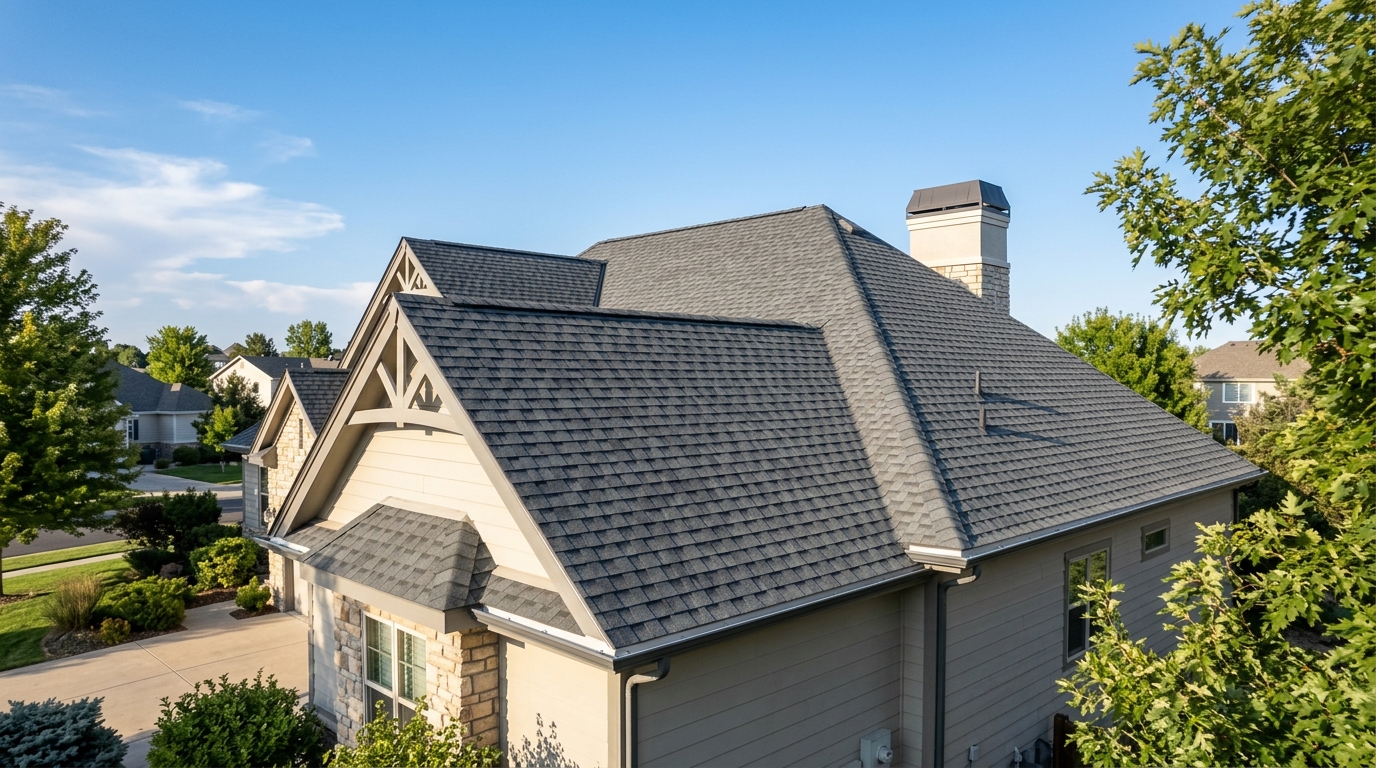
First, take a deep breath. Looking up at your home and noticing dark, gloomy stains spreading across your shingles can feel alarming. It is completely natural to worry that your roof is rotting away, that you have a massive leak on the horizon, or that you are suddenly facing a costly roof replacement. We want to put your mind at ease right away: your roof is not broken, your home is safe, and those dark marks are far easier to resolve than you might think.
When homeowners first spot these dark lines running down their shingles, the immediate reaction is often panic. However, understanding what is actually happening up there is the quickest way to replace worry with a clear, calm plan of action.
What Are Those Black Streaks, Really?
Despite how they look from the driveway, those dark streaks are not dirt, soot, or harmful black mold. In almost every case, they are caused by a very common type of airborne algae called Gloeocapsa magma.
Think of this algae like tiny microscopic seeds drifting through the air on a warm breeze. When these spores land on a shaded, humid section of your roof—especially on northern or eastern exposures that get less direct sunlight—they find a cozy spot to settle down. Modern asphalt shingles contain crushed limestone filler, which provides weight and durability. To these tiny algae visitors, that limestone is a steady food source.
As the algae colonies grow and spread downward with rainwater runoff, they create a natural dark outer shell to shield themselves from ultraviolet sunlight. That dark protective shell is the exact dark streak you see from the ground. It is simply a living organism finding a patch of shade to grow in, not a structural failure of your home.
Is It Bad for Your Roof?
Here is the reassuring part: your roof is not going to cave in tomorrow, and you do not need to drop everything in an emergency panic. However, it is something you will want to take care of in due time rather than ignoring it for years.
While the algae moves slowly, leaving it untouched over an extended period can cause a few gradual issues:
- Heat Absorption: Dark colors absorb heat. As those black streaks spread, your roof absorbs more solar heat during the day, which can cause your attic to warm up and make your cooling system work a little harder.
- Moisture Retention: Algae colonies hold onto moisture. Over time, that constant dampness can support the growth of moss and lichens, which have small root-like structures that can lift the edges of shingles.
- Gradual Shingle Wear: Because the algae slowly feeds on the limestone granules in your shingles, leaving heavy infestations unmanaged can shorten the natural lifespan of your roofing material.
In short: it is not an overnight crisis, but it is a routine maintenance task that keeps your roof healthy over the long run.
Why Heavy Pressure Is Not the Answer
Once homeowners realize what the streaks are, their first instinct is often to grab a pressure washer and blast the stains away. But think of your roof shingles like a delicate layer of protective armor. Each shingle is covered in small ceramic-coated granules that deflect sunlight and shed water.
Using high-pressure water on asphalt shingles is like scrubbing a scraped knee with a stiff wire brush—it is far too harsh. High pressure can instantly strip away those protective granules, break the adhesive seal between shingles, and force water underneath the roofing underlayment where it does not belong.
The Gentle Solution: How Soft Washing Works
The safe and proper way to treat roof streaks is a method called soft washing. Instead of relying on brute force and blasting water, soft washing relies on science and gentle care.
Here is how soft washing solves the problem safely:
- Low-Pressure Application: Soft washing uses water pressure similar to a gentle garden hose. There is no abrasive blasting, meaning your shingles and their protective granules remain completely undisturbed.
- Targeted Cleaning Solutions: Specialized, biodegradable cleaning solutions are applied directly to the shingles. These solutions neutralize the algae right down to the root rather than just skimming off the top layer.
- Long-Lasting Results: Because soft washing actually eliminates the spore colonies rather than just spreading them around with high pressure, the shingles stay clean and streak-free for significantly longer.
Keeping Your Roof in Good Shape
Now that you know what those dark streaks are and how easily they can be cleaned, you can look up at your home with confidence instead of stress. Trimming back overhanging tree branches to let more direct sunlight hit your roof, keeping your gutters clear so water drains freely, and scheduling routine soft wash treatments when stains begin to appear will keep your home looking bright, fresh, and well-protected for years to come.