
Soft House Cleaning
Why Does Mold Grow More on One Side of Your House?
A simple look at how sunlight, shade, and moisture team up to create green spots—and how soft washing brings every wall back to balance.
September 22, 2026
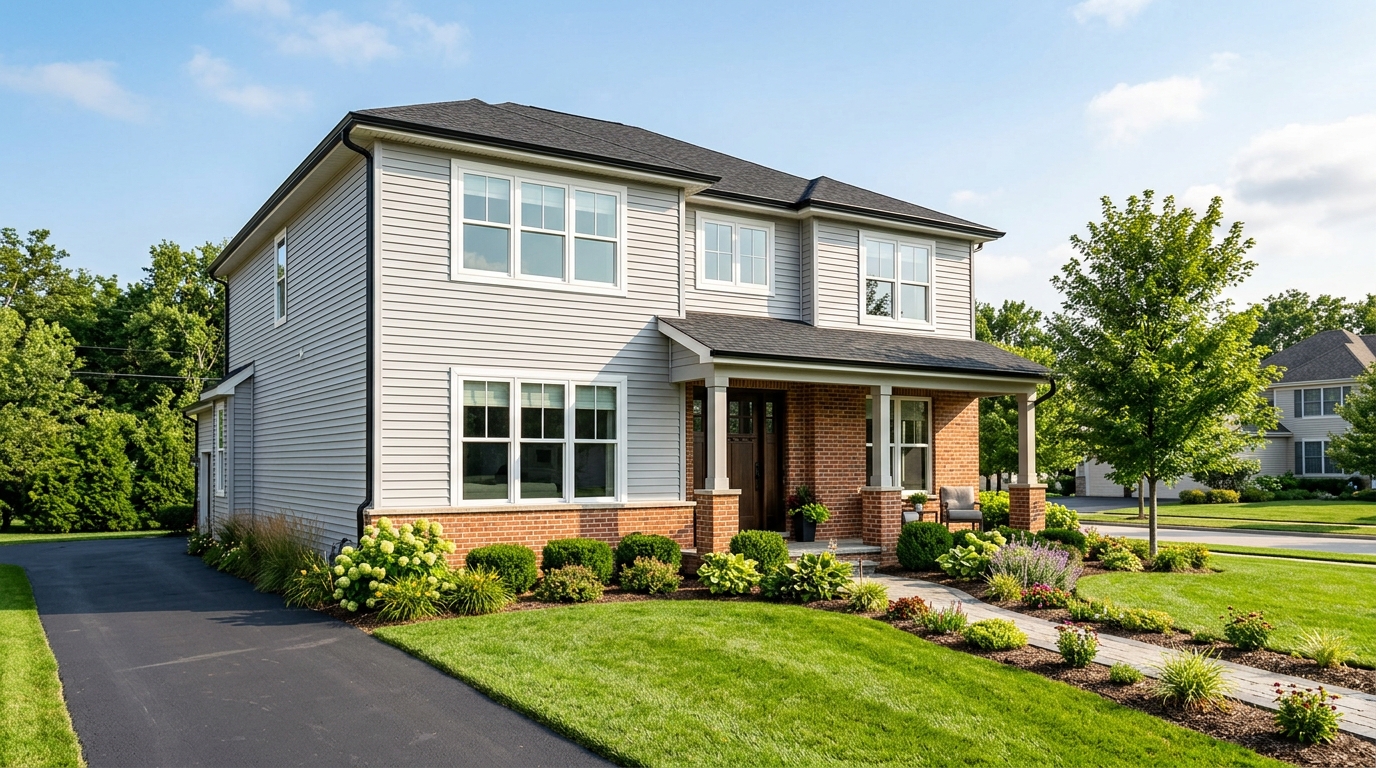
If you take a stroll around the outside of your home, you might notice something peculiar. Three sides of your siding might look bright, clean, and fresh, while the fourth wall looks like it is slowly turning green or gray. It can feel like a mystery—did someone secretly spray only one section of your exterior with a green crayon?
The truth comes down to a simple recipe that nature follows every single day. Just like plants in a garden need specific ingredients to grow, the mold, mildew, and green algae living on your siding need the right environment to thrive. Let’s break down why one side of your house gets chosen as the favorite hangout spot for organic growth, and how professional cleaning restores harmony to the whole exterior.
The Simple Recipe: What Mold and Algae Need to Grow
To understand why mold or mildew chooses a specific wall, think of how nature works on a basic level. Tiny living organisms like algae, mold, and mildew drift through the outdoor air all the time as microscopic spores. You cannot see them, but they land on roofs, decks, driveways, and siding every day.
For these spores to wake up, attach, and start spreading into visible green or black patches, they need three simple things:
- A surface to rest on: Siding, brick, stucco, or stone provides a sturdy landing pad.
- Moisture: Rain, humidity, morning dew, or sprinkler spray provides the water they need to drink.
- Darkness or shade: Strong sunlight dries out moisture and produces heat that stops these organisms from multiplying, so they prefer shaded, cooler spots.
If a wall has warmth, bright direct sun, and dry air, spores struggle to survive. But if a wall stays cool, damp, and shaded, it turns into a cozy paradise for organic growth.
The Sun’s Daily Journey Across Your Home
The biggest reason one wall turns green before the others is the path of the sun. In the Northern Hemisphere, the sun rises in the east, travels across the southern sky, and sets in the west. Because of this natural path, the southern side of your house receives the strongest, most direct sunlight throughout the day.
The north-facing side of your home, on the other hand, spends most of the day sitting in its own shadow. When morning dew forms or rainfall hits your siding, the south side dries out in a flash thanks to the warm sun. The north side stays wet for much longer because the sunlight never directly reaches it to bake away the dampness.
That lingering moisture gives algae and mildew the exact window of time they need to feed, grow, and spread across your siding panels.
Trees, Bushes, and Hidden Shade
Even if a wall does not face north, other factors can create the exact same shaded environment. Look closely at your yard:
- Tall trees: Broad tree canopies that hang over your roofline cast deep shadows onto the siding below.
- Dense shrubs: Bushes planted tightly against the foundation trap humidity against the wall and block gentle breezes that would otherwise help dry the area.
- Neighboring structures: A tall fence, a neighboring two-story home, or an outbuilding can block sunlight and airflow from reaching specific exterior walls.
Wherever shade and dampness linger the longest, algae and mildew will show up first.
Why Blasting It with High Pressure Can Cause Trouble
When homeowners spot green patches taking over a single wall, a common instinct is to grab a high-pressure washer and blast the surface with heavy force. While that might peel off the top layer of green, intense water pressure can force water behind your siding panels, loosen caulking, chip exterior paint, or damage delicate vinyl and wood.
Even worse, high-pressure water by itself does not treat the roots of the organic spores. It leaves microscopic roots tucked inside the tiny pores of your siding, meaning the green film will often return in just a few short months.
How Soft Washing Evens Things Out
This is where specialized exterior cleaning comes in to balance the scales. Skinner Cleaning LLC uses a method known as soft washing to treat exterior surfaces safely and effectively.
Instead of relying on harsh, destructive water pressure, soft washing uses low, gentle water pressure paired with targeted, eco-conscious cleaning solutions. Here is why this makes all the difference:
- Eliminates the growth at the root: Soft washing cleans deep into the microscopic crevices of your siding, neutralizing the mold, mildew, and algae spores rather than simply moving them around.
- Protects delicate materials: Because the water pressure is gentle, it will not crack siding, peel paint, or compromise window seals.
- Longer-lasting freshness: By properly treating the organic growth, surfaces stay clean significantly longer than surfaces rinsed with plain water alone.
- Balances your entire home: Treating every side of your exterior ensures that shaded walls match the bright, clean look of the sunny walls, giving your whole house a cohesive, refreshed appearance.
Bringing Your Home’s Siding Back to Life
It is completely natural for shade and moisture to favor one side of your property over another. You do not have to cut down every shade tree or live with mismatched exterior walls. With professional soft washing from Skinner Cleaning LLC, you can safely remove stubborn organic growth and restore an even, vibrant clean to every corner of your home.