
Fence Cleaning
Why Does Your Wooden Fence Warp? (And How Cleaning Keeps It Strong)
Discover the simple science behind wood movement, sunshine, and moisture—and how routine washing keeps outdoor wood looking its best.
September 30, 2026
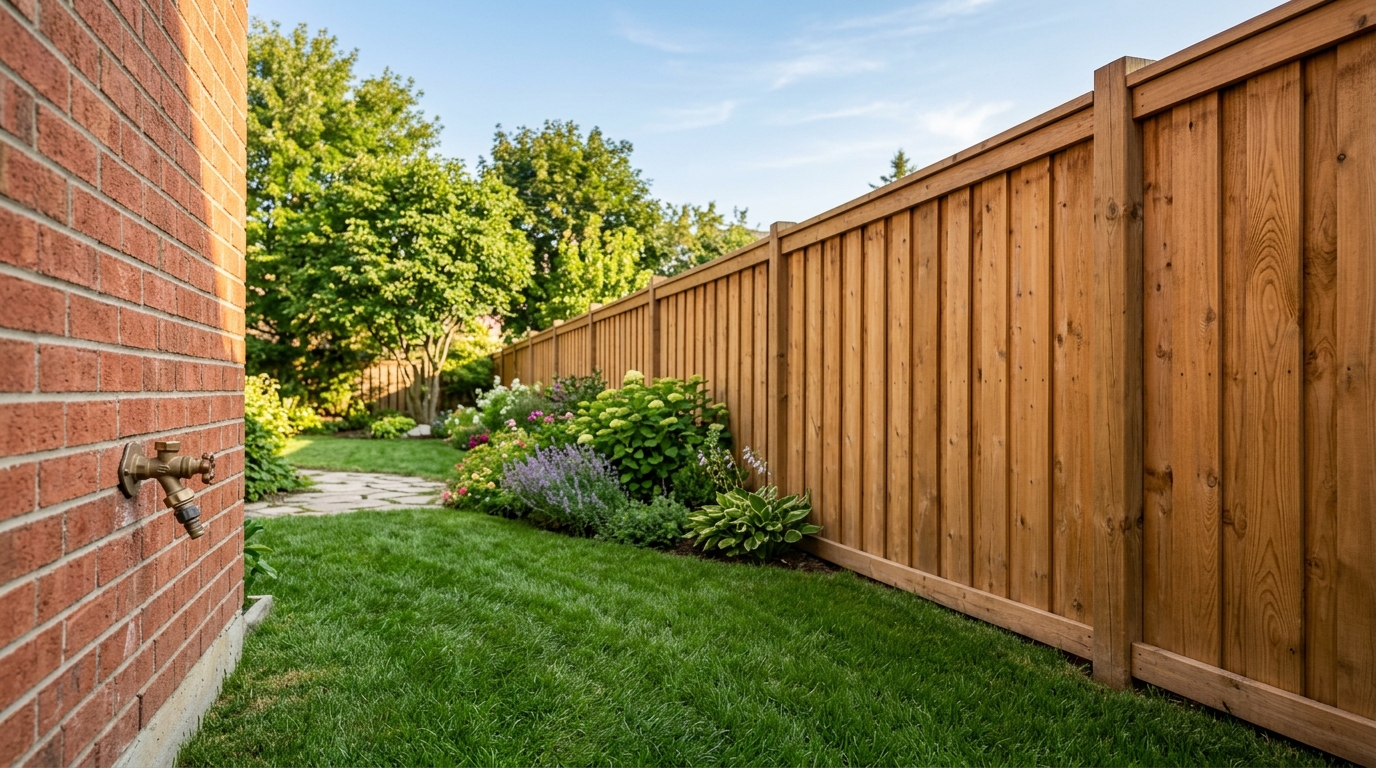
Have you ever noticed a wooden fence board that looks a little twisted, curved, or bowed out of line? If you look closely at outdoor fences in your neighborhood, you will probably see pickets that started out perfectly flat but gradually began to curl like a dry leaf. It is a completely natural process, but understanding why it happens is the first step in keeping your fence sturdy and looking fresh.
To understand why wood warps, it helps to imagine what a tree looks like on the inside. Even after a tree is cut into lumber and built into a fence, it still behaves like a natural plant material. Let’s break down the science of wood movement in a simple, straightforward way.
Wood Is Made of Millions of Tiny Straws
Trees need water to grow from tiny saplings into tall giants. To move water from their roots up to their highest leaves, trees have thousands of microscopic tubes running through their trunks. You can think of a wooden fence picket as a tightly packed bundle of millions of tiny drinking straws.
When it rains or when humidity rises, those tiny straws soak up moisture from the air and swell up, making the board slightly thicker and wider. When the weather turns dry and hot, the moisture evaporates, and the tiny straws shrink back down. As long as the wood gets wet and dries out evenly on all sides, the board stays relatively straight.
The Uneven Tug-of-War: Sun vs. Shade
In the real world, a fence rarely gets wet and dry evenly on both sides at the same time. This creates an uneven tug-of-war within the wood fibers:
- The sunny side dries quickly: When direct sunlight hits one side of a fence board, the moisture on that outer face evaporates fast. As those fibers lose water, they shrink and pull tight.
- The shaded side stays damp: Meanwhile, the back of the fence board—often shaded by trees, bushes, or the fence framework—remains cool and moist. Those fibers stay swollen.
- The wood bends toward the dry side: Because one side is shrinking while the other side is still swollen, the board pulls into a curve. Over time, repeated cycles of uneven soaking and baking cause the wood to lock into that bent shape, which we call warping, cupping, or twisting.
How Dirt, Mold, and Algae Make Warping Worse
Mother Nature does not just send sun and rain; she also sends pollen, airborne dust, algae, moss, and mildew. When these organic particles settle onto untreated or unwashed wood, they create a thin, dark film across the surface.
This layer of grime acts like a damp blanket held against the wood. It traps rainwater against the boards long after the rain has stopped, preventing the wood from drying out properly. In addition, dark mold and mildew absorb extra heat from the sun, intensifying thermal stress on the pickets. When wood stays saturated under a layer of grime, the internal fibers soften and weaken, making the boards far more vulnerable to twisting and bowing under natural climate changes.
Why Regular Cleaning Protects Wood Fences
While you cannot control the weather or stop the sun from shining, you can control the conditions on the surface of the wood. Keeping your fence clean plays an essential role in stabilizing outdoor timber:
- Removes moisture-trapping buildup: Washing away accumulated dirt, mildew, and green algae allows the wood to breathe and dry out at an even rate after rainstorms.
- Relieves surface stress: Removing dark stains reduces excessive surface heat absorption, helping the face of the board stay cooler under the summer sun.
- Prepares wood for protective sealers: Clean wood allows penetrating stains and weather sealants to soak deeply into the fibers, creating a barrier that resists rapid moisture absorption.
Bring Tired, Weathered Fences Back to Life with Skinner Cleaning LLC
When a wooden fence sits outside year after year without maintenance, gray oxidation, organic staining, and moisture buildup can make the entire structure look worn out and tired. Many homeowners assume their warped-looking fence needs immediate replacement, but a thorough, professional cleaning often reveals that the wood underneath is still sound and full of character.
Skinner Cleaning LLC provides specialized exterior wood cleaning that safely washes away layers of weathered grime, mildew, and environmental buildup. By carefully clearing away the organic debris that holds damaging moisture against the boards, regular cleaning helps stabilize the wood, slows down ongoing weather damage, and restores the warm, natural look of your fence.
If your property’s wooden fence is looking weathered, darkened, or tired, routine maintenance from Skinner Cleaning LLC is a practical, effective way to care for your exterior surfaces and protect your outdoor investment.